Poison Ivy Removal in Lancaster, PA
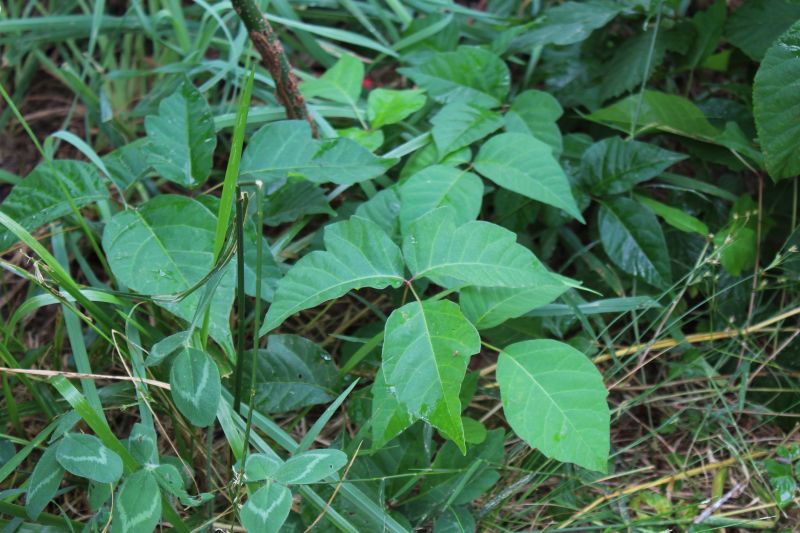
Poison ivy removal services focus on safely eliminating this invasive plant from residential properties, preventing potential skin irritation and damage to landscaping. These projects often involve identifying and carefully removing poison ivy from lawns, gardens, wooded areas, and along fences or building exteriors. Property owners typically seek this service when they notice the plant spreading in their yard or want to avoid accidental contact during outdoor activities, especially in areas with children or pets.
Before requesting poison ivy removal, property owners should understand the extent of the infestation and the specific locations where the plant is growing. It’s helpful to know if the poison ivy is in hard-to-reach spots or near valuable plants and structures. Clear information about the size of the affected area and any safety concerns can assist in planning an effective removal process, ensuring the property remains safe and free of this troublesome plant.
Many property owners in Lancaster, PA look into Poison Ivy Removal for repairs, replacements, upgrades, and appearance-related improvements.
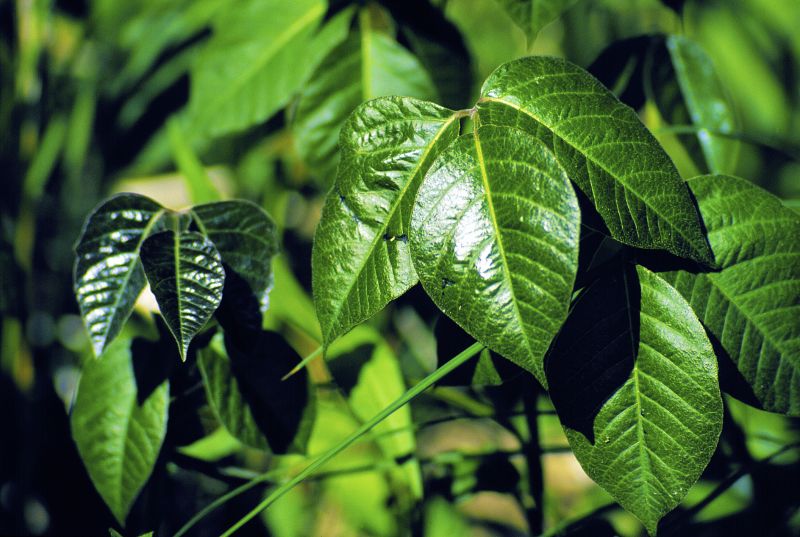
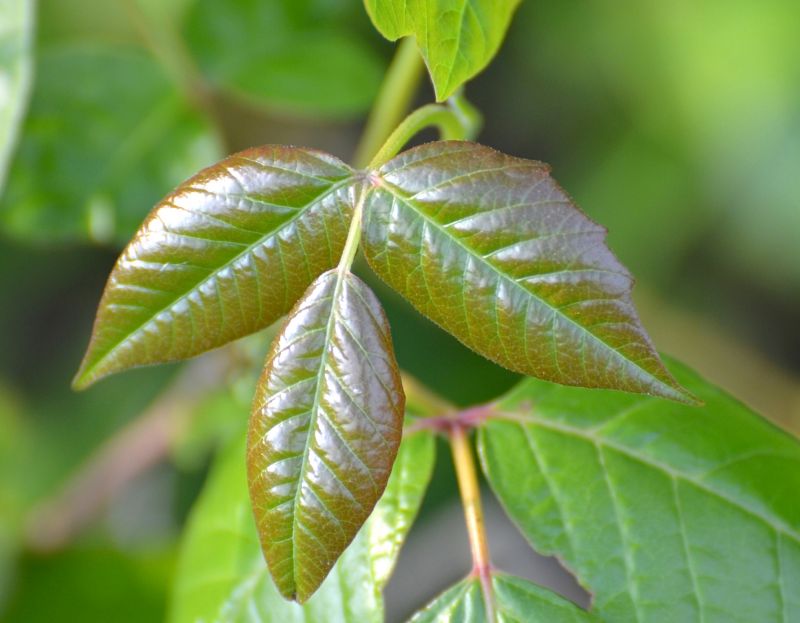
Identifying Poison Ivy
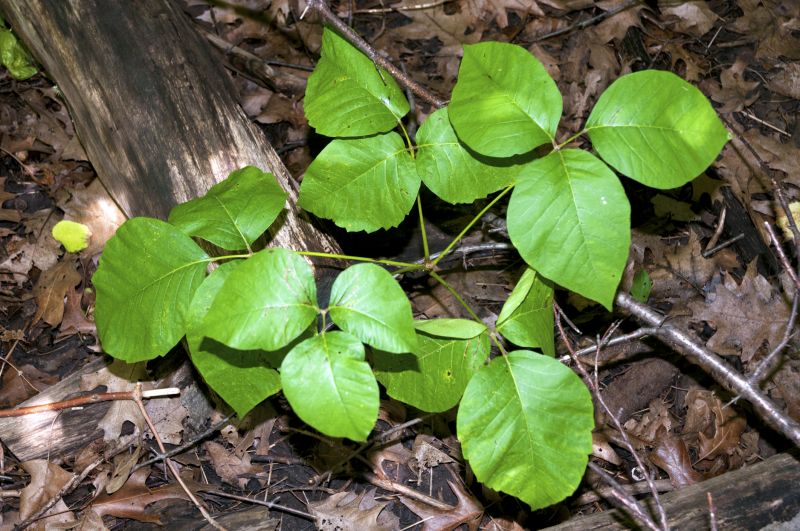
Recognizing poison ivy growth helps prevent skin irritation and property damage.
Safe Removal Methods
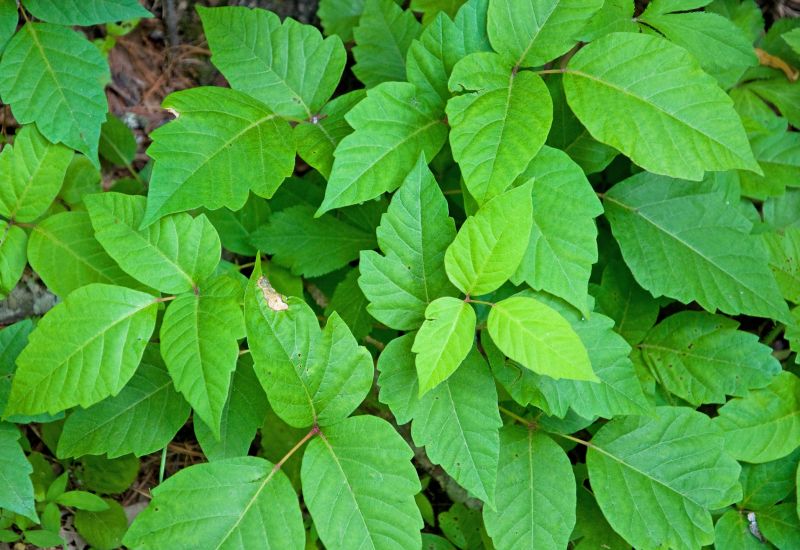
Proper removal techniques ensure the plant is eliminated without harming surrounding landscaping.
Preventative Maintenance
Regular inspections and treatments can keep poison ivy from regrowing on residential and commercial properties in lancaster.
Poison Ivy Removal in Lancaster, PA
Poison ivy removal services focus on safely eliminating this invasive plant from residential properties, preventing potential skin irritation and damage to landscaping. These projects often involve identifying and carefully removing poison ivy from lawns, gardens, wooded areas, and along fences or building exteriors. Property owners typically seek this service when they notice the plant spreading in their yard or want to avoid accidental contact during outdoor activities, especially in areas with children or pets.
Before requesting poison ivy removal, property owners should understand the extent of the infestation and the specific locations where the plant is growing. It’s helpful to know if the poison ivy is in hard-to-reach spots or near valuable plants and structures. Clear information about the size of the affected area and any safety concerns can assist in planning an effective removal process, ensuring the property remains safe and free of this troublesome plant.
Many property owners in Lancaster, PA look into Poison Ivy Removal for repairs, replacements, upgrades, and appearance-related improvements.
Common Poison Ivy Removal Jobs
Poison Ivy Removal Services - professional removal of poison ivy from residential and commercial properties.
Yard Clearing - safe removal of poison ivy from lawns, gardens, and landscape beds.
Tree and Shrub Treatment - targeted application to eliminate poison ivy growing on trees and shrubs.
Fence Line Clearing - removal of poison ivy along property boundaries and fencing.
Trail and Pathway Clearing - removal of poison ivy from walkways, trails, and outdoor recreation areas.
Property Maintenance - ongoing removal to prevent poison ivy regrowth and protect landscape health.
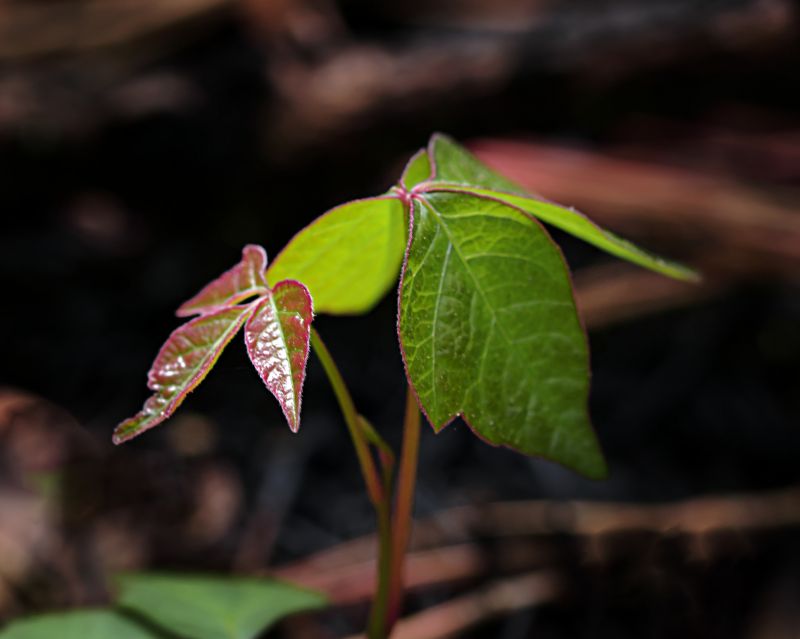
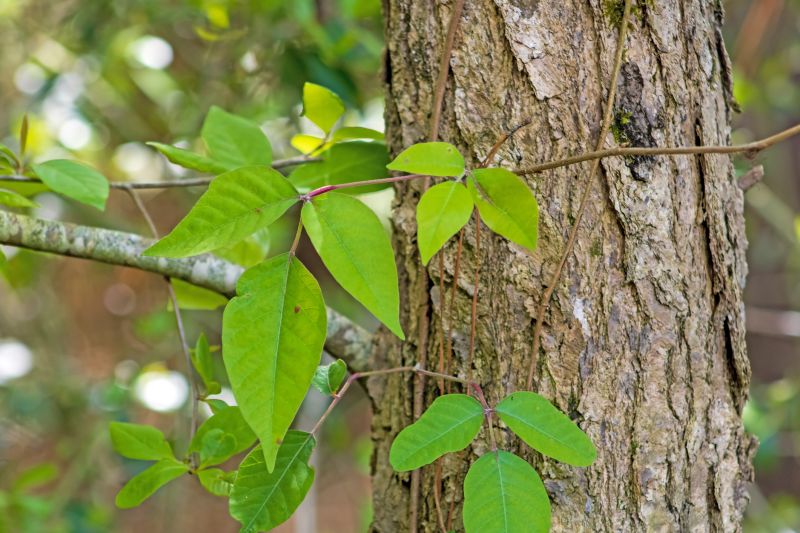
Poison Ivy Removal Questions
What is poison ivy removal? Poison ivy removal involves safely eliminating the plant from residential or commercial properties to prevent skin irritation and protect landscaping.
Why should poison ivy be removed promptly? Removing poison ivy quickly reduces the risk of skin contact and prevents the plant from spreading to other areas.
What methods are used for poison ivy removal? Methods include manual removal, herbicide application, and root excavation to ensure complete elimination of the plant.
Is professional removal necessary for poison ivy? Professional removal is recommended to ensure safe and effective elimination, especially in hard-to-reach areas or large infestations.
Request Poison Ivy Removal in Lancaster, PA
Use the quote form on this page to share the basics of your project and request more information for the type of work you need.